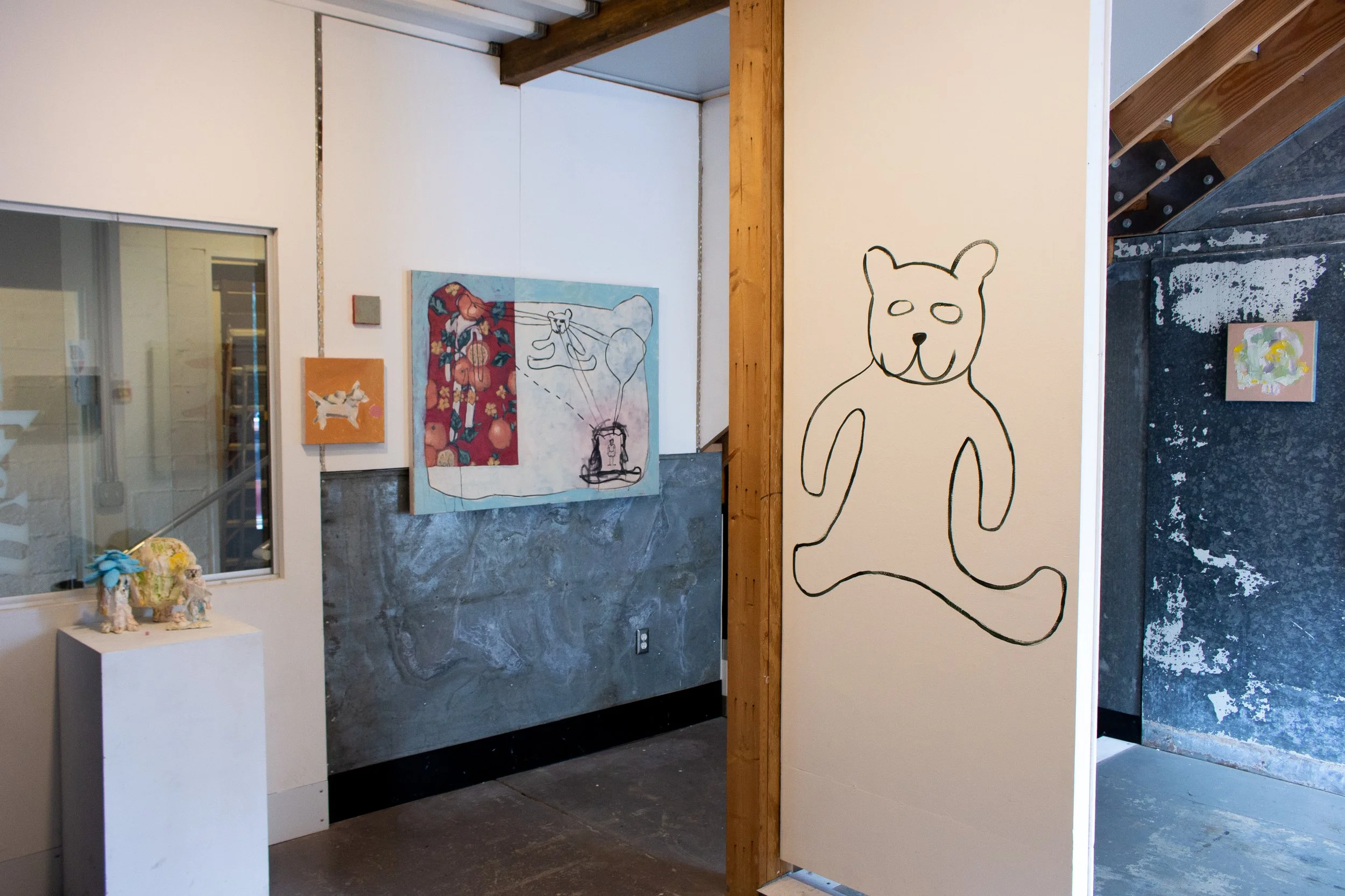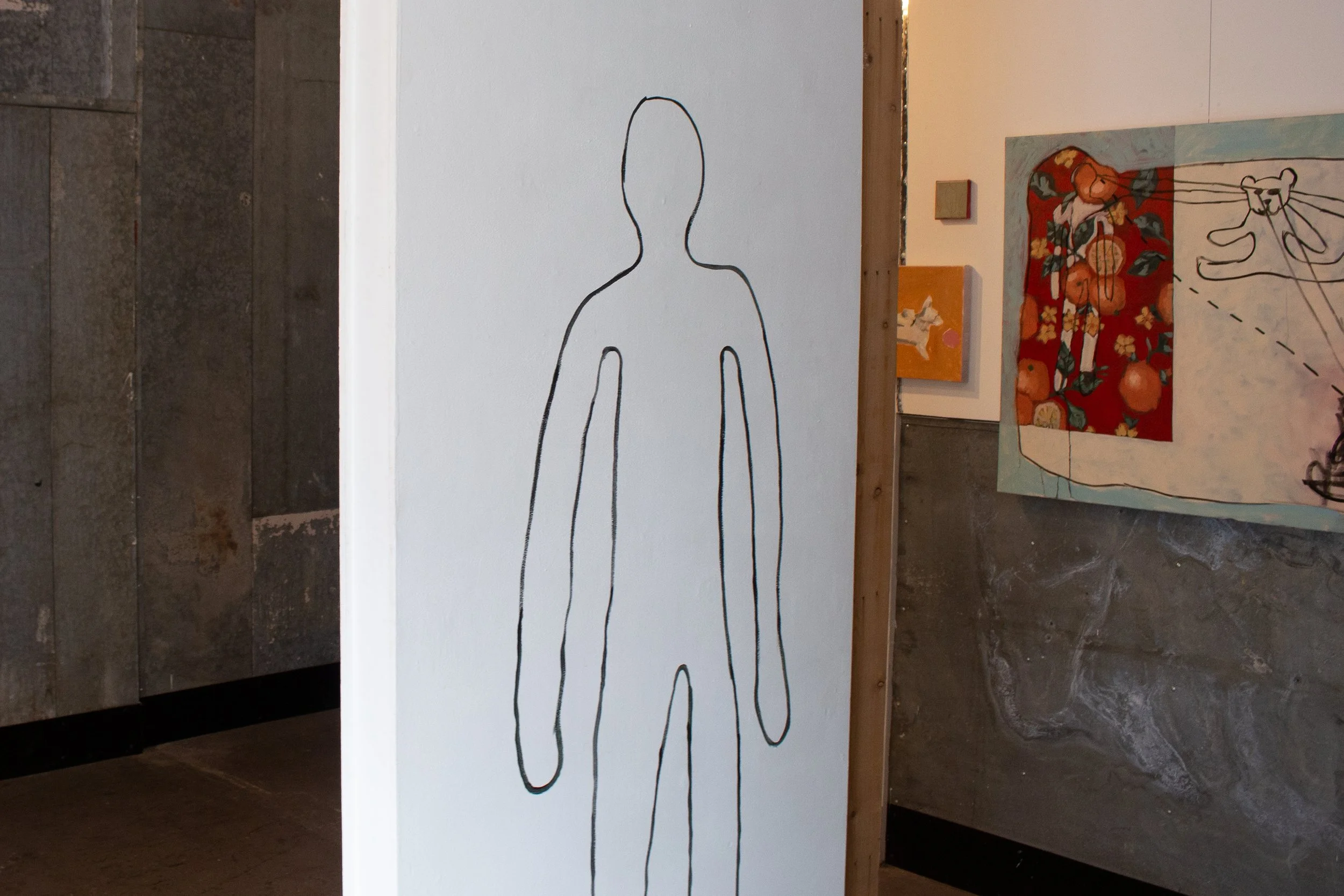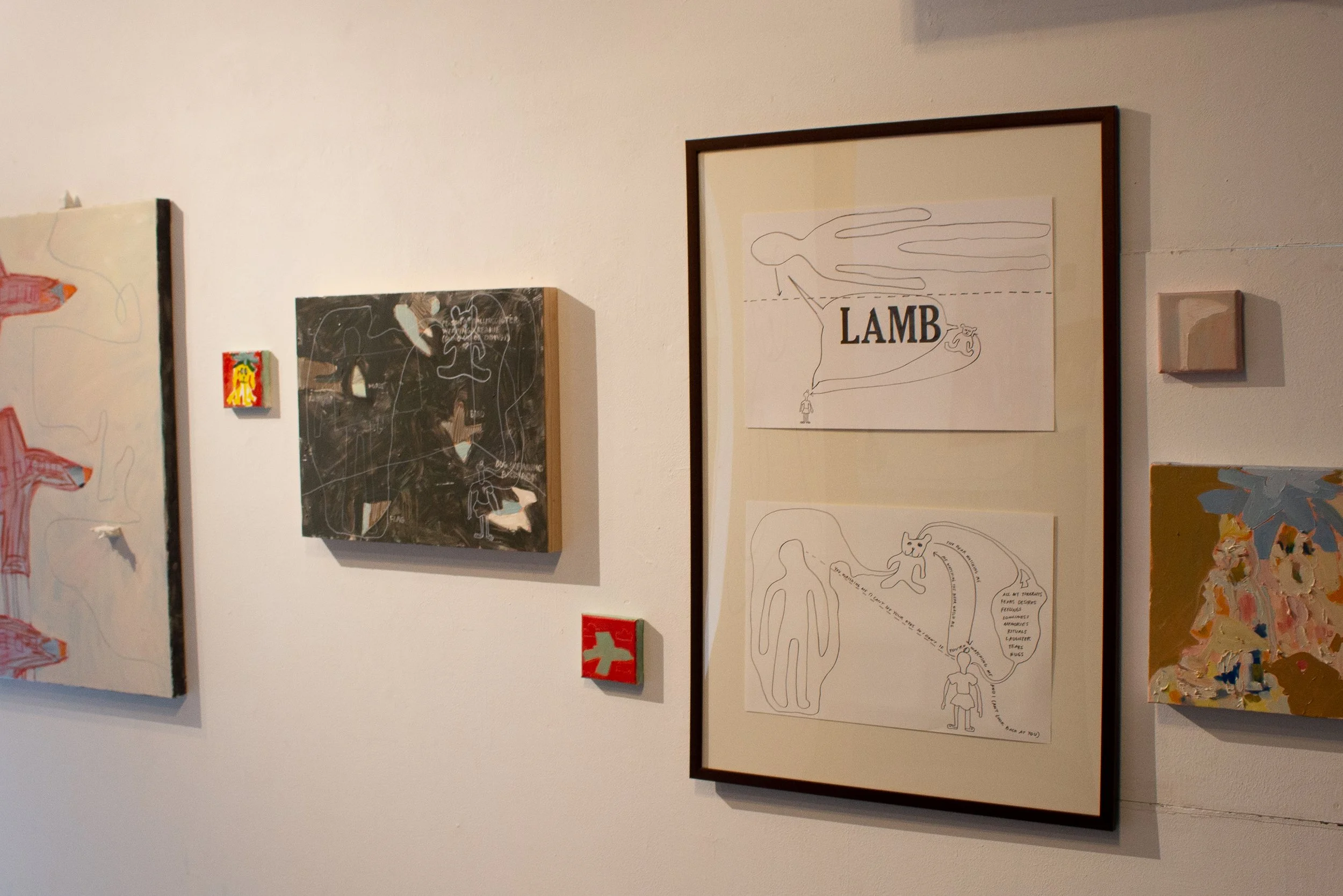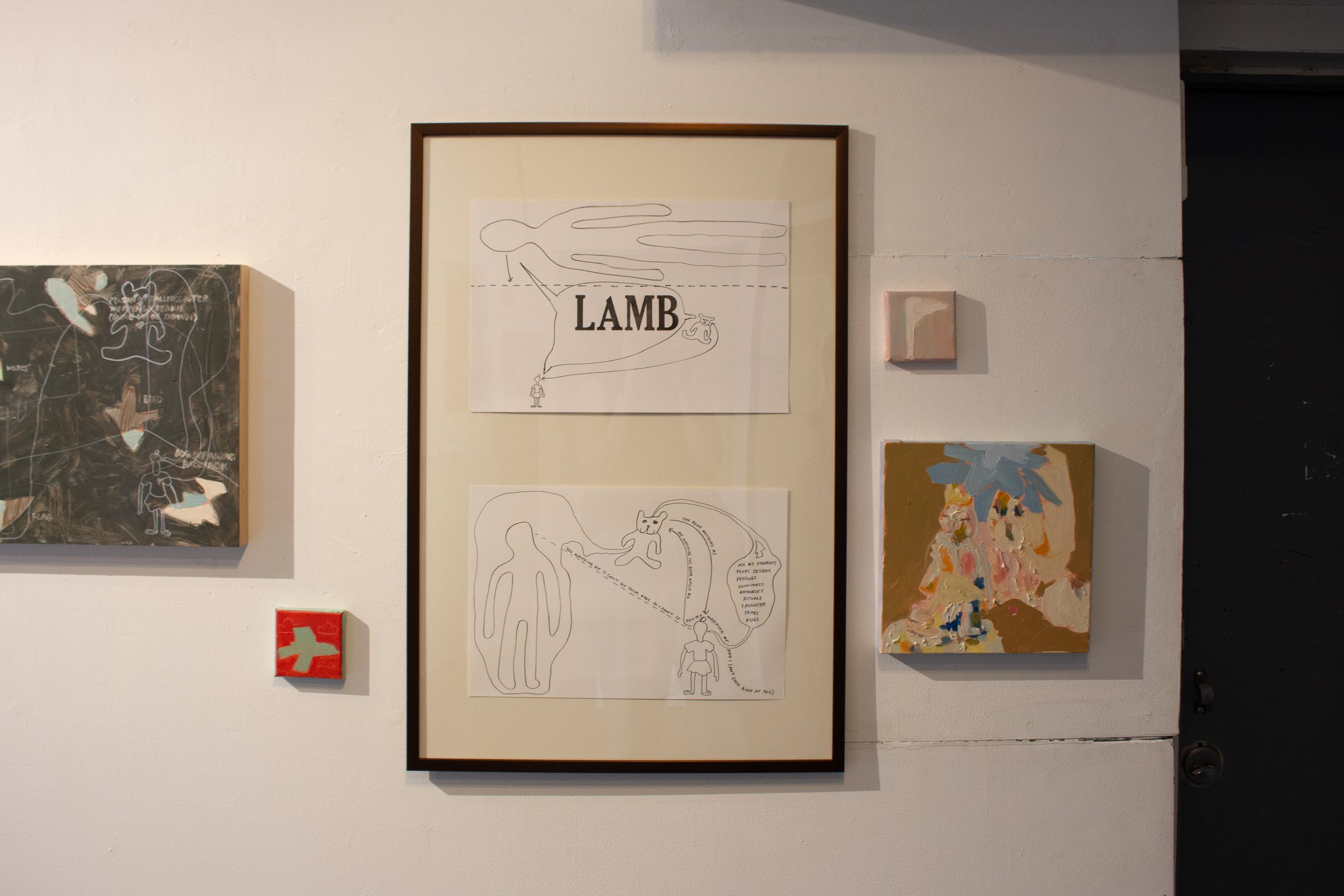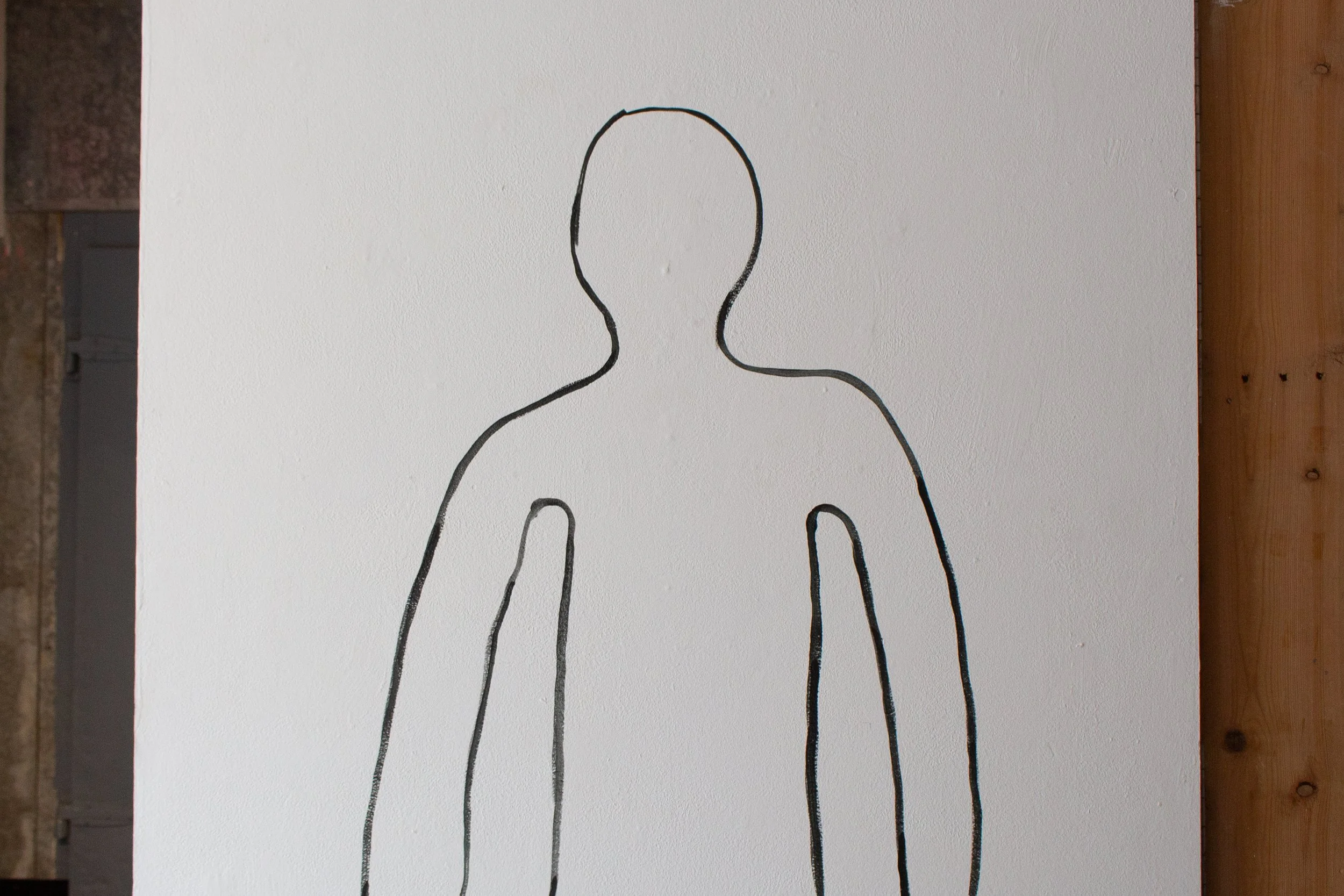
Watching Me Watching You began with research into minimalist memorials, specifically Maya Lin’s Vietnam Veterans Memorial. I became enamored with a fantastical narrative that Lin projected onto her design: she imagines the dead standing behind the granite, facing viewers as they approach the wall. According to this fantasy, when visitors stand before a loved one’s name, they also look at that person just behind the stone’s surface. The dead watch the living, and they watch back.
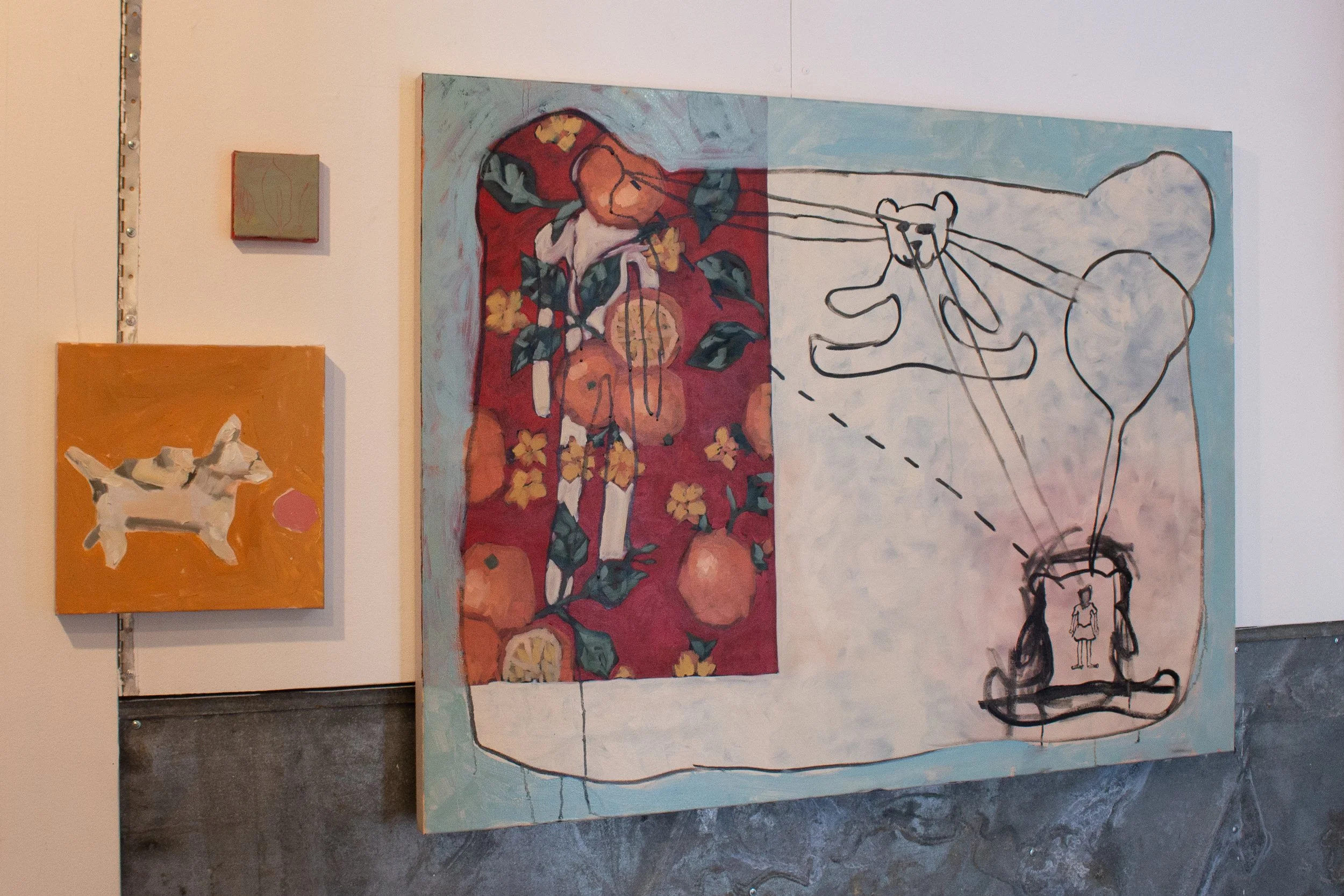
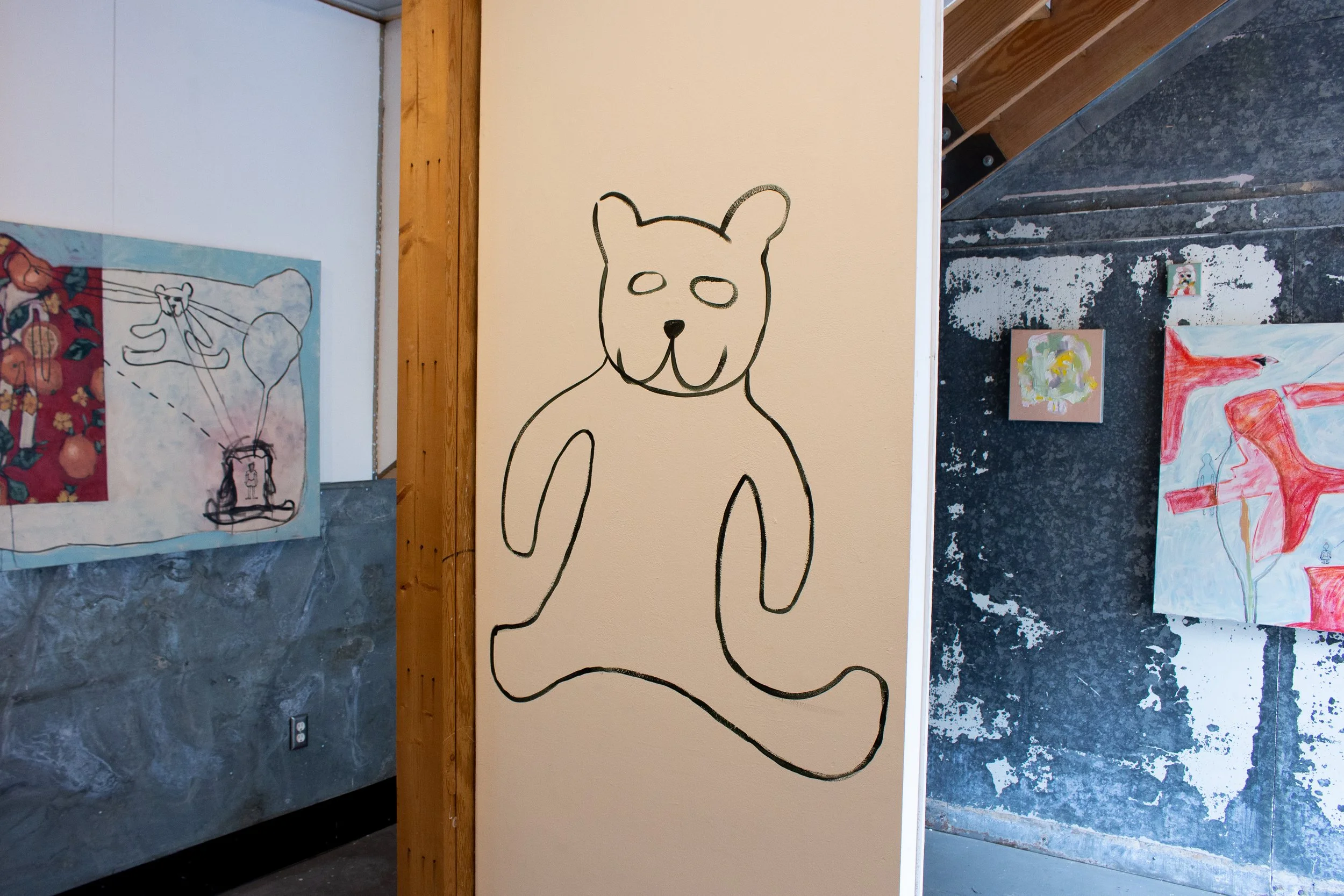
This idea of surrogate bodies and the comfort they provide – the feeling of being witnessed, of not being abandoned, of not being alone – calls back to a child-like willingness to believe the unbelievable. I was reminded of a teddy bear given to young children in a dance class. The bear watches the dancer when the thought of being left by their caregiver is unbearable. This brings the child enough comfort to withstand the period of separation.
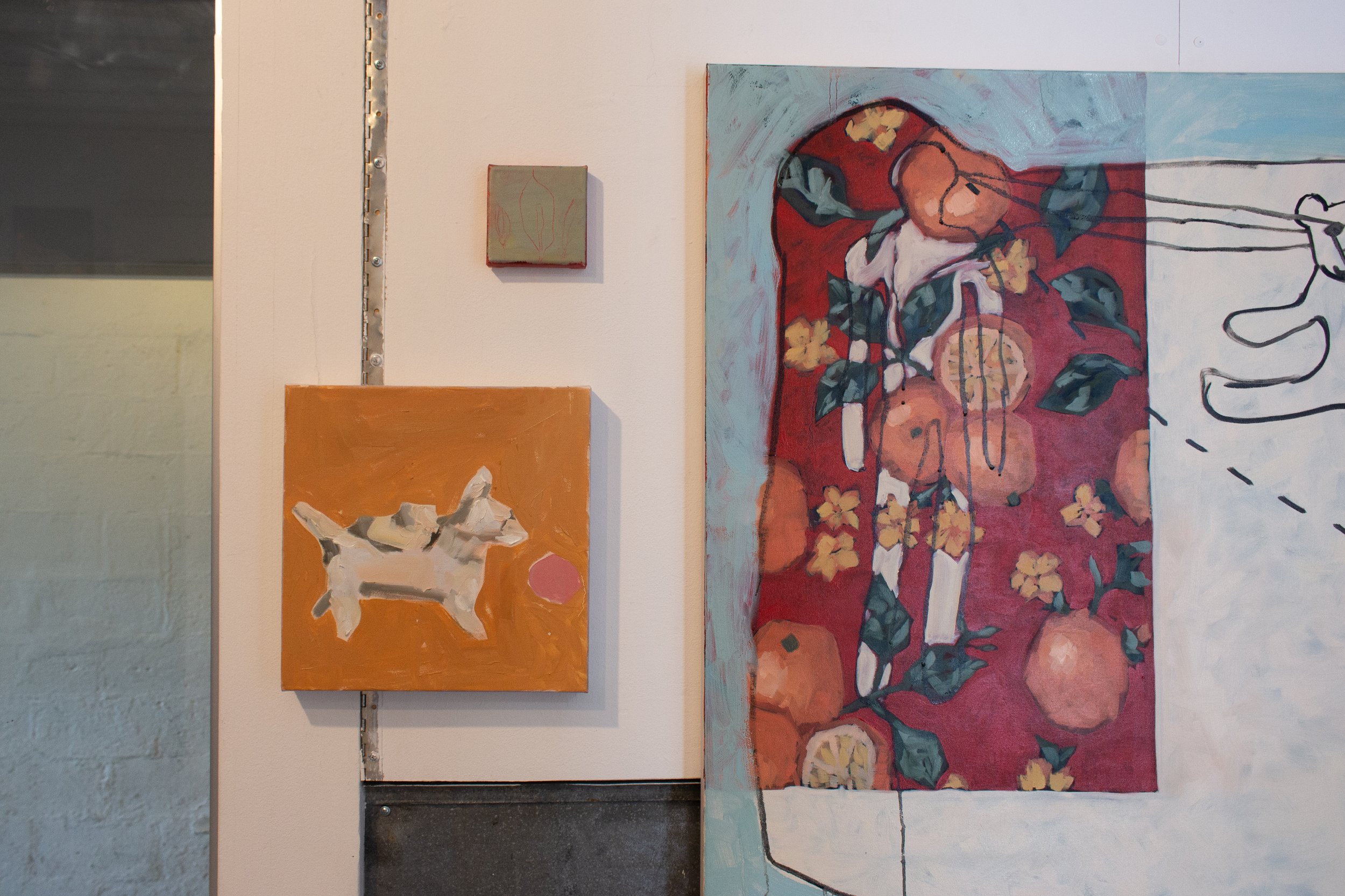
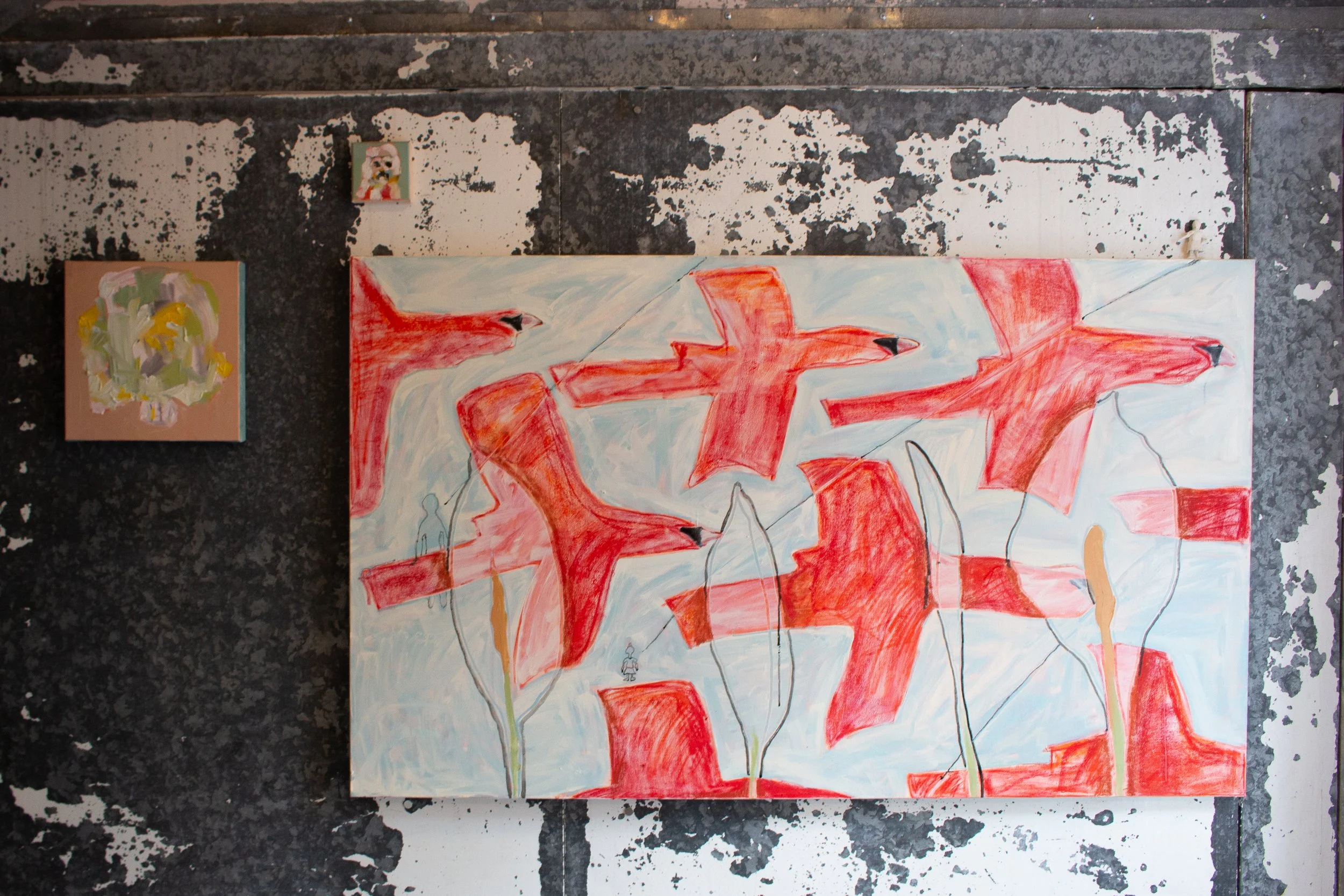
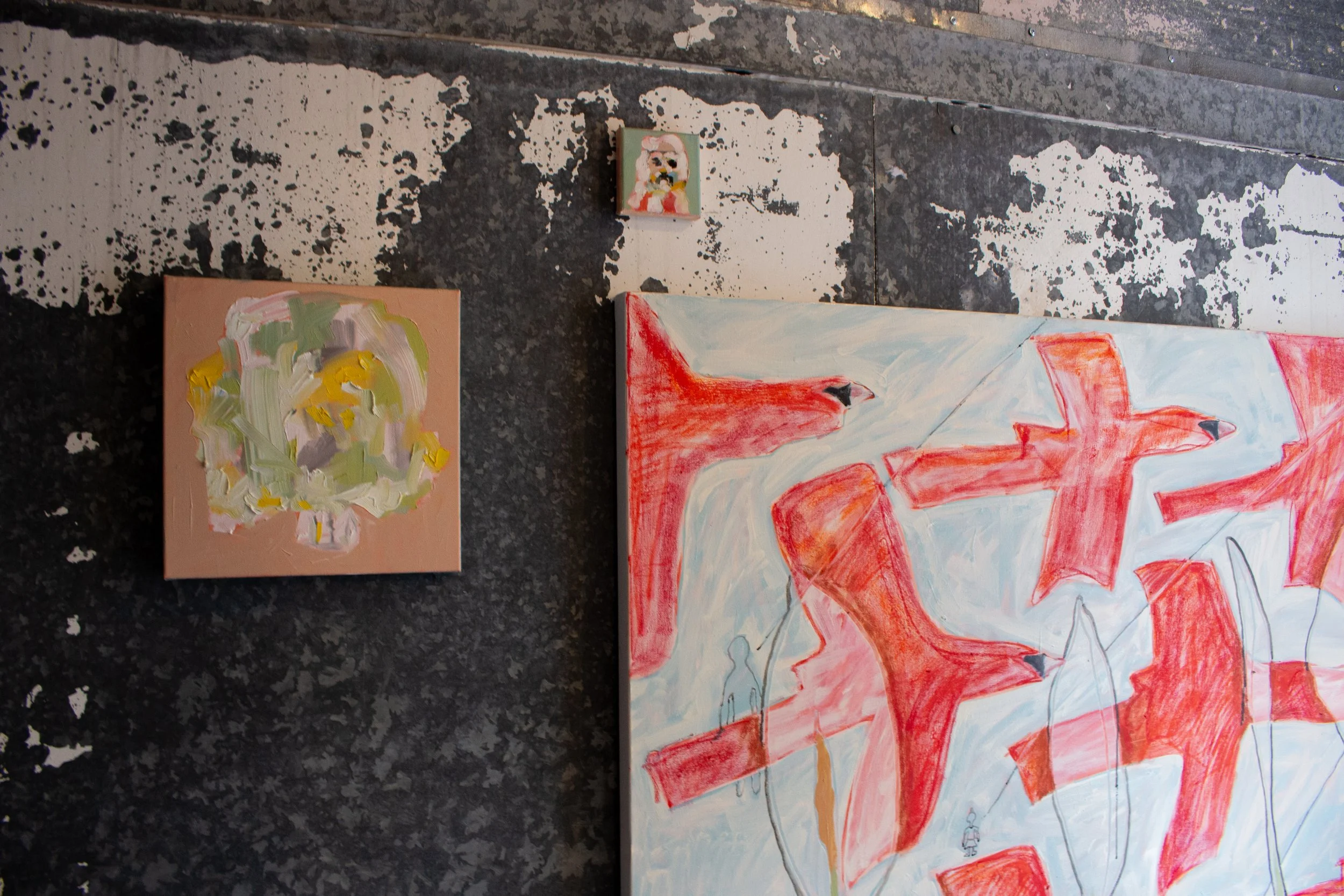
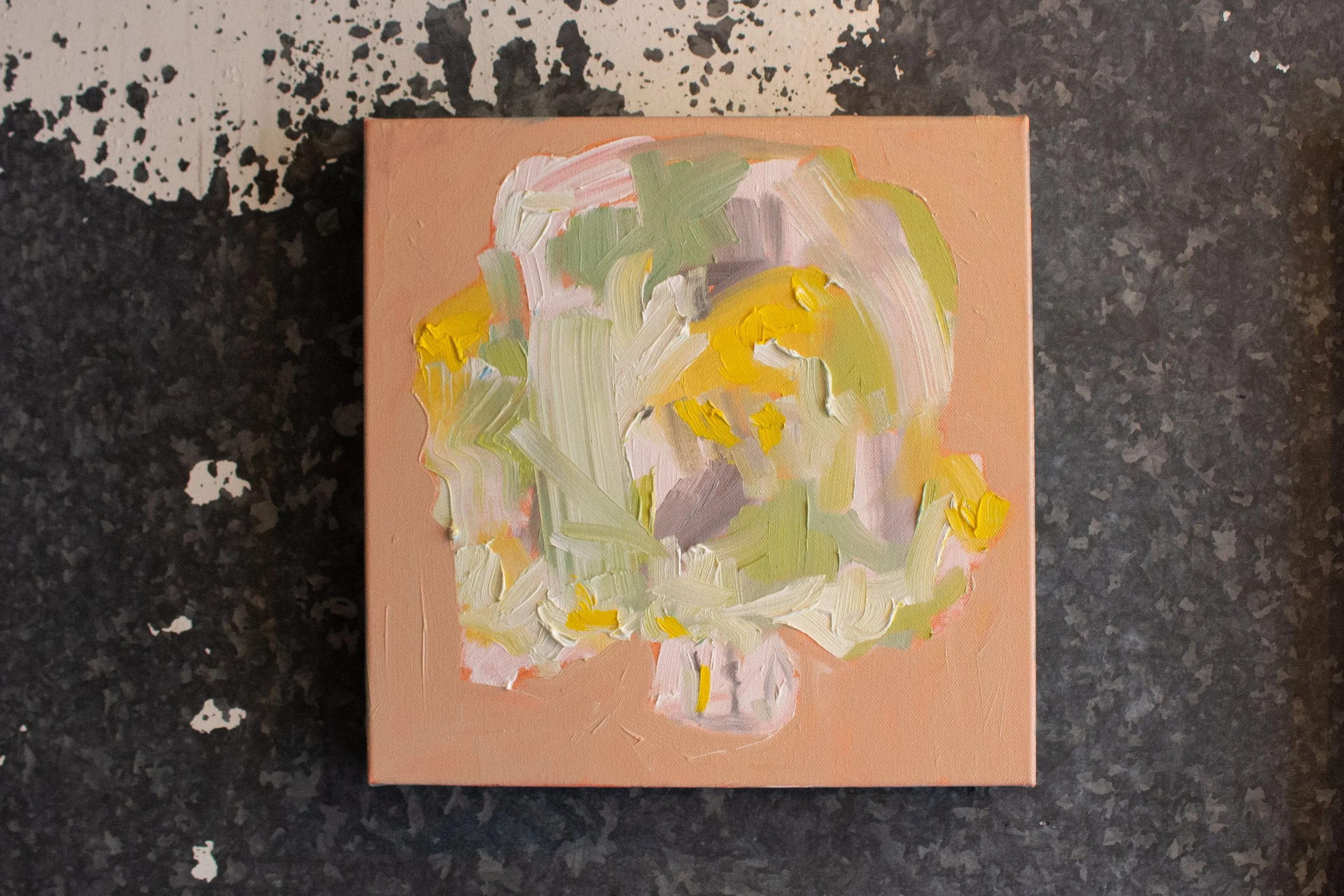
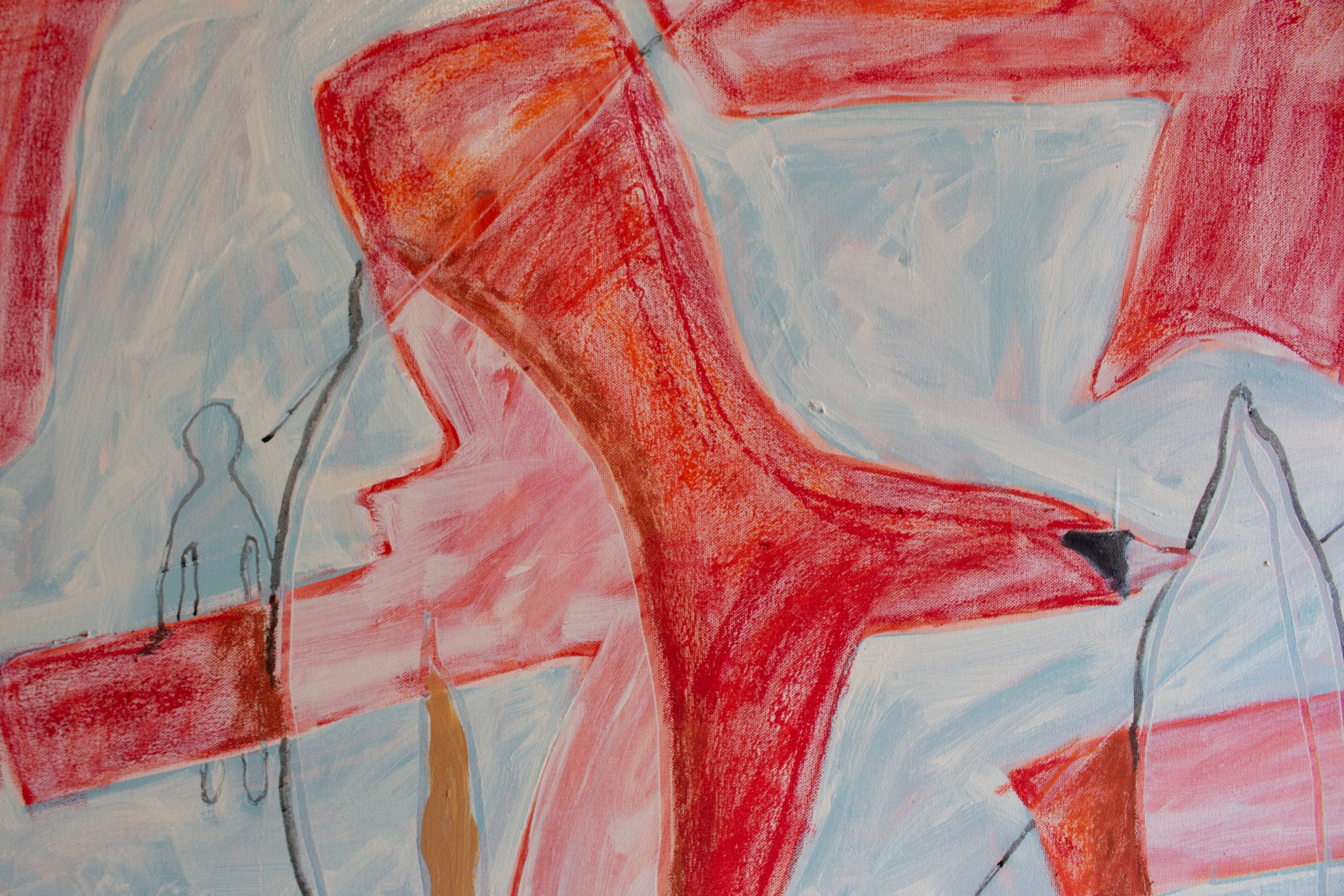
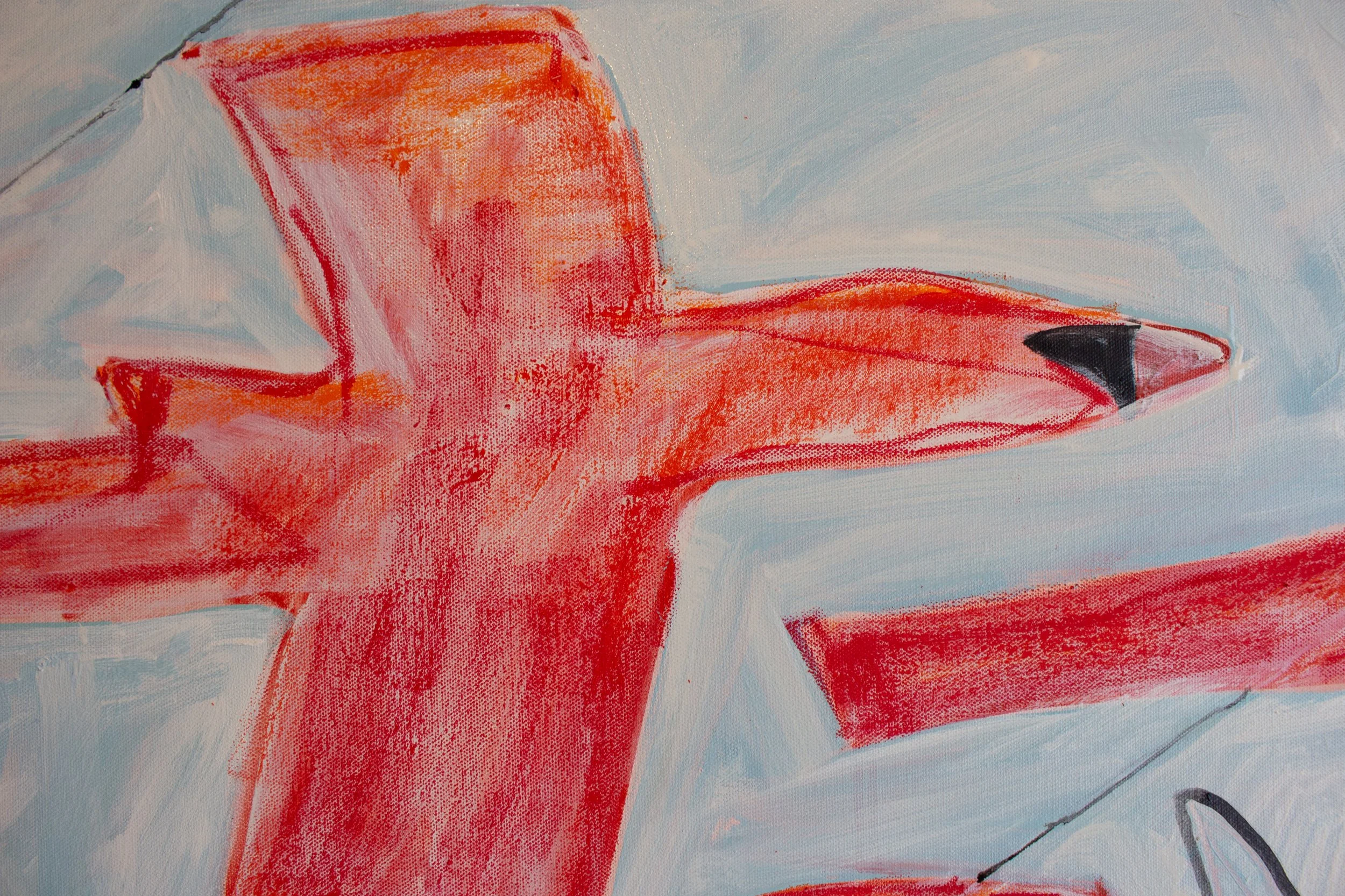
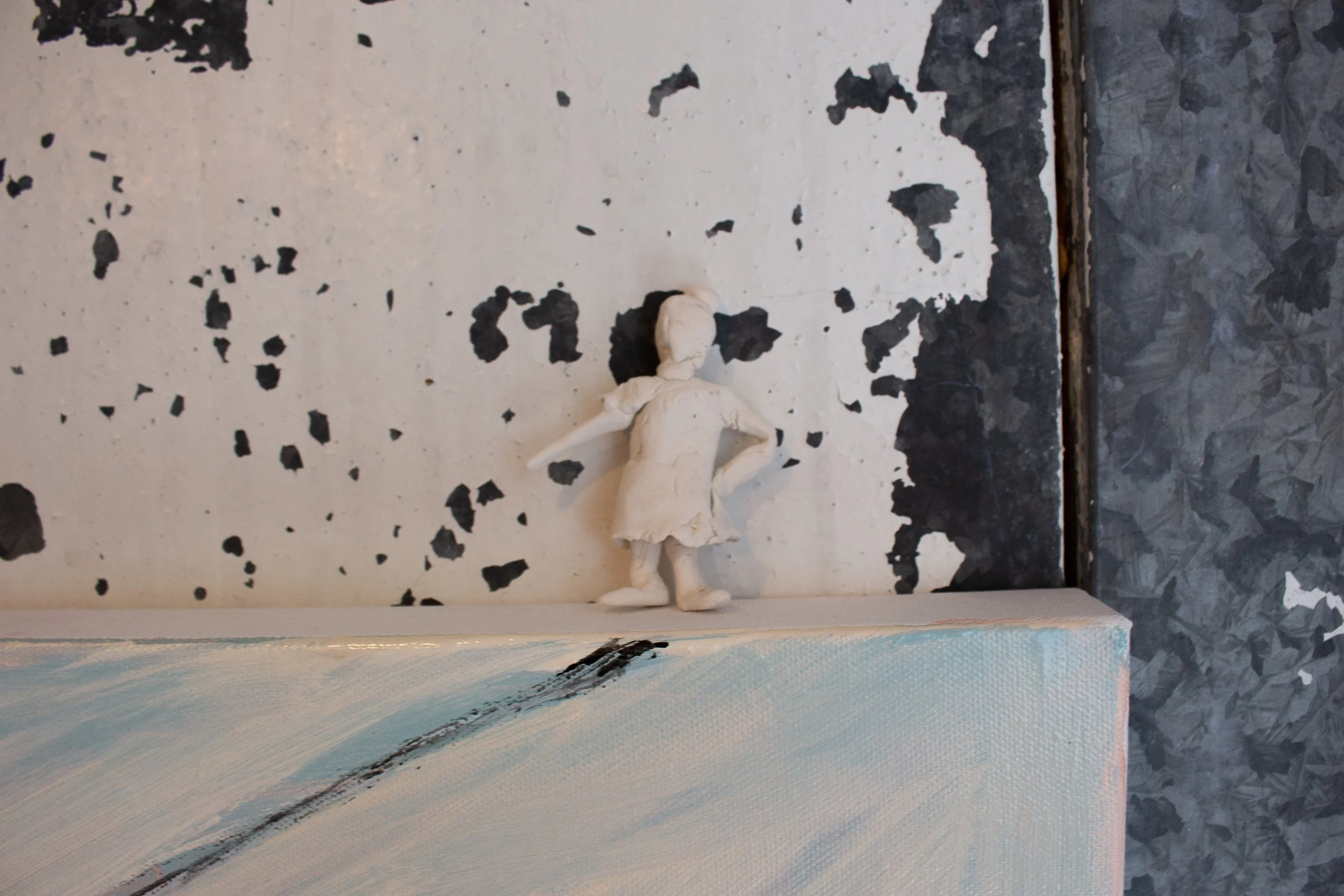
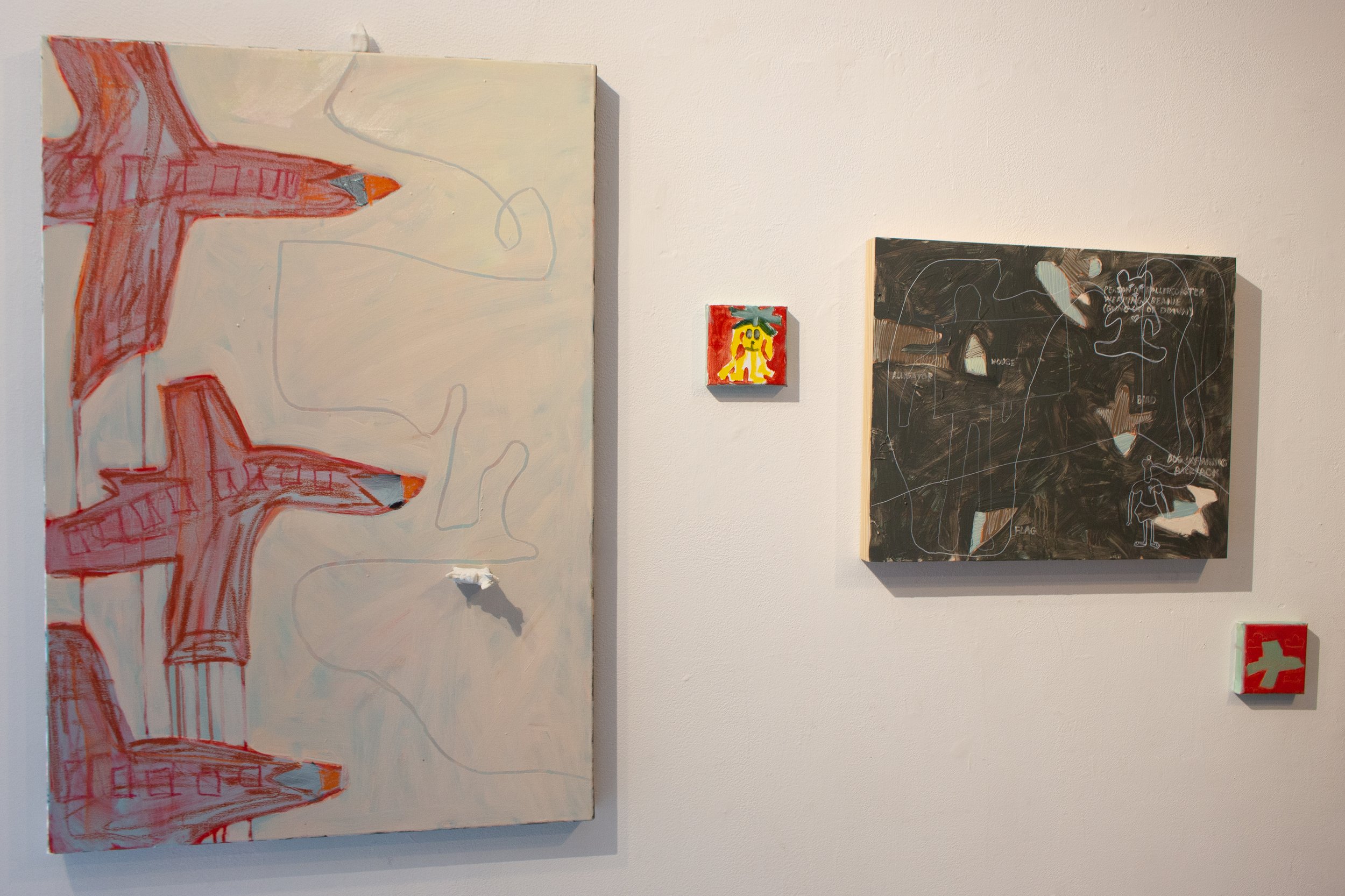
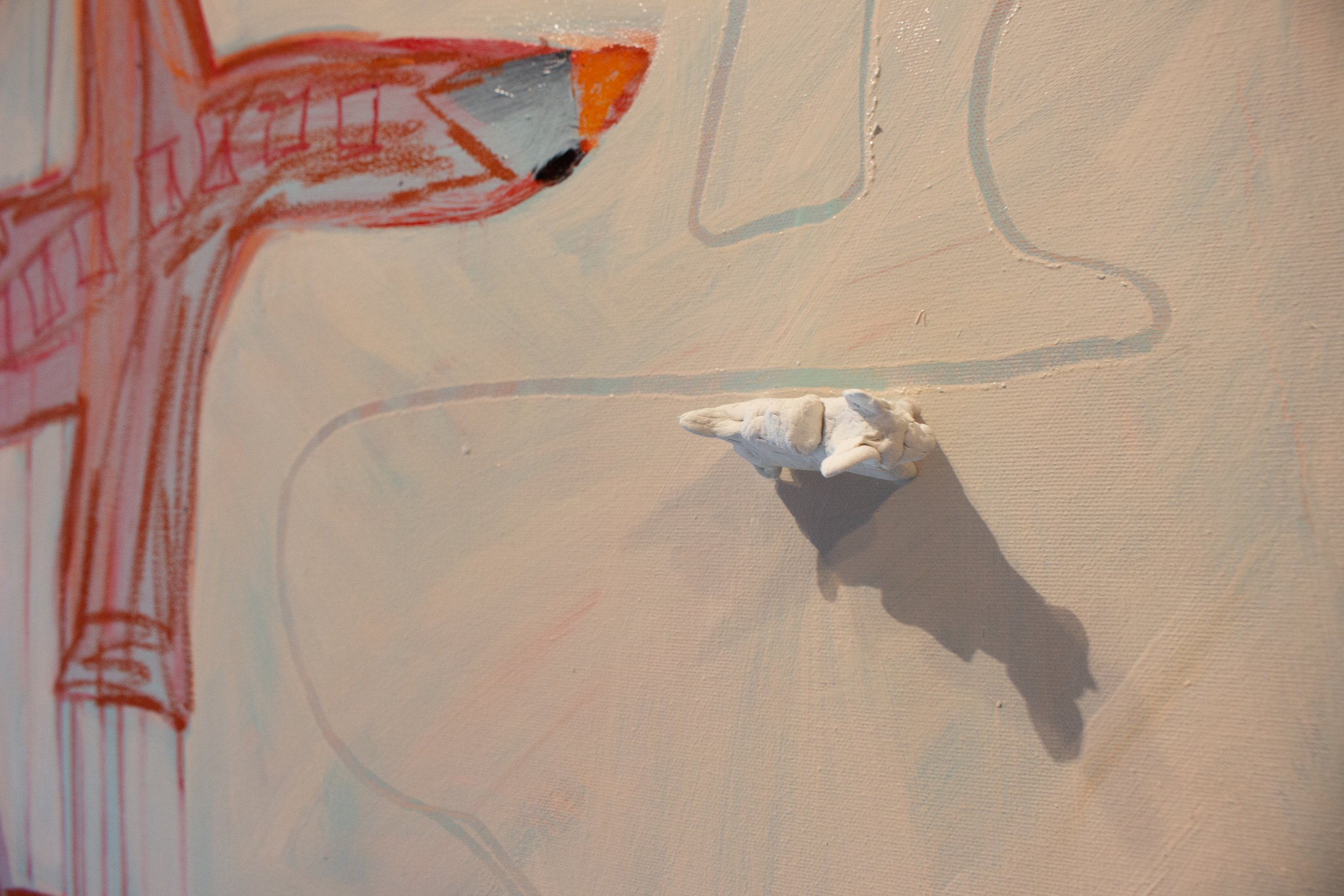
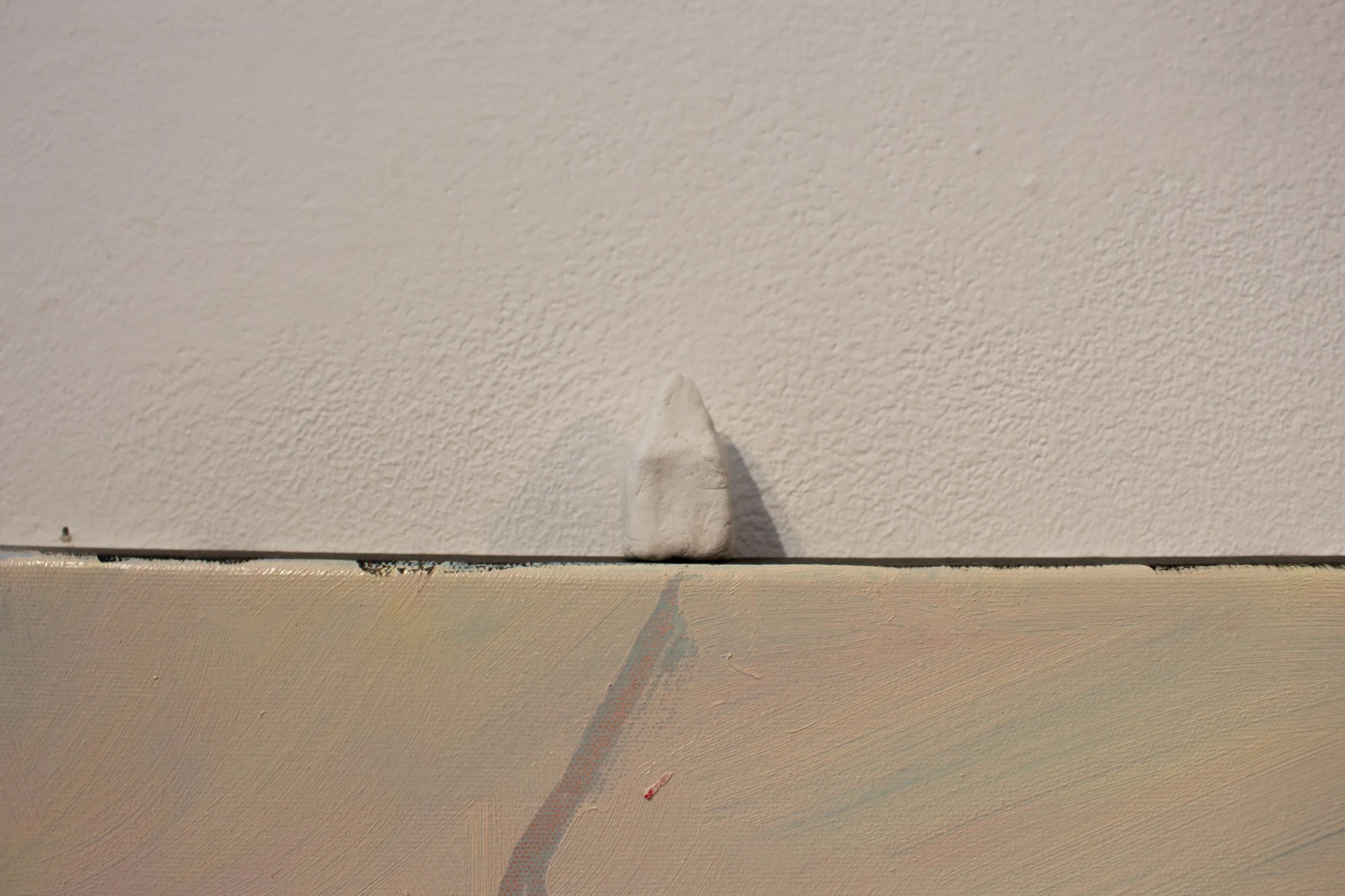
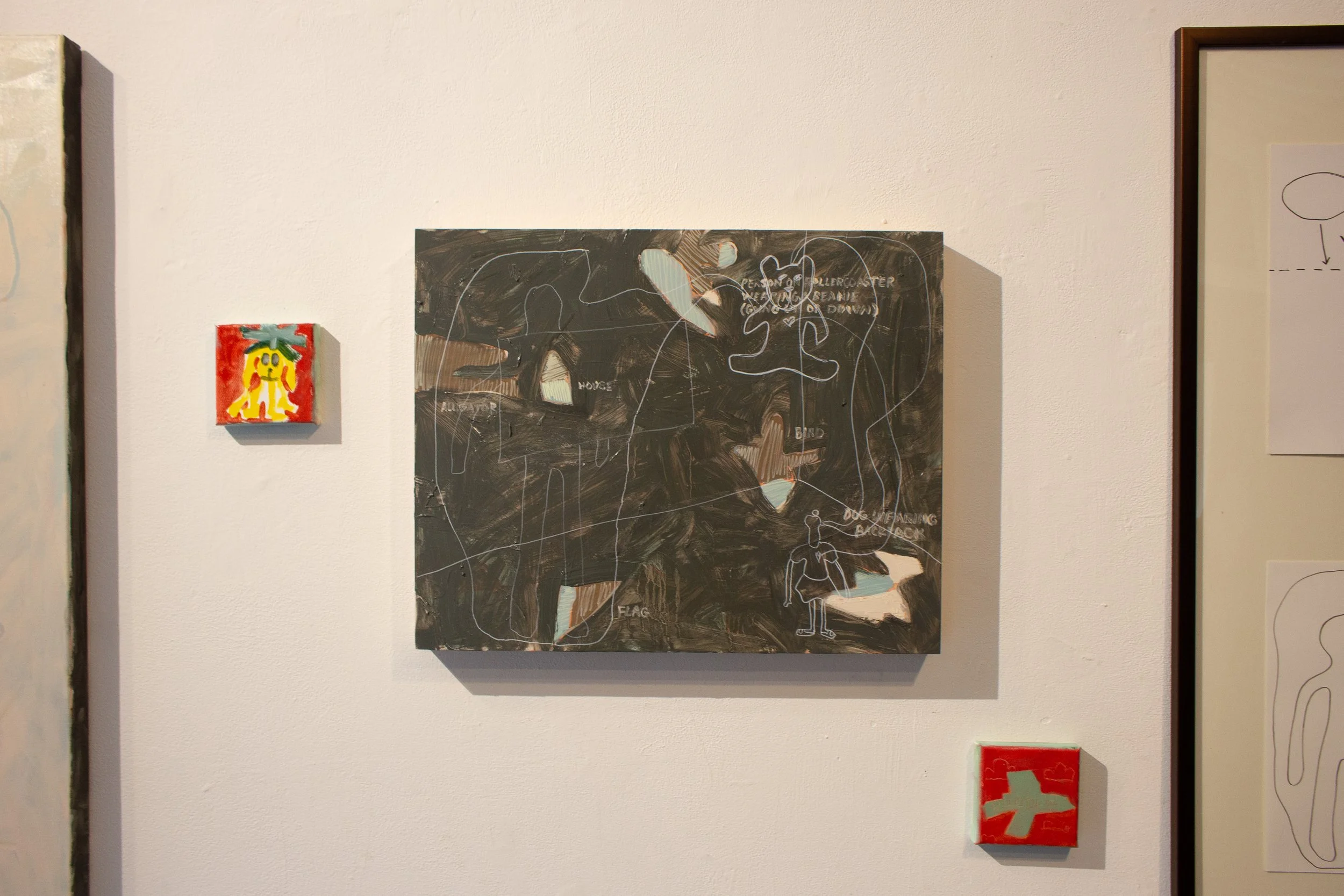
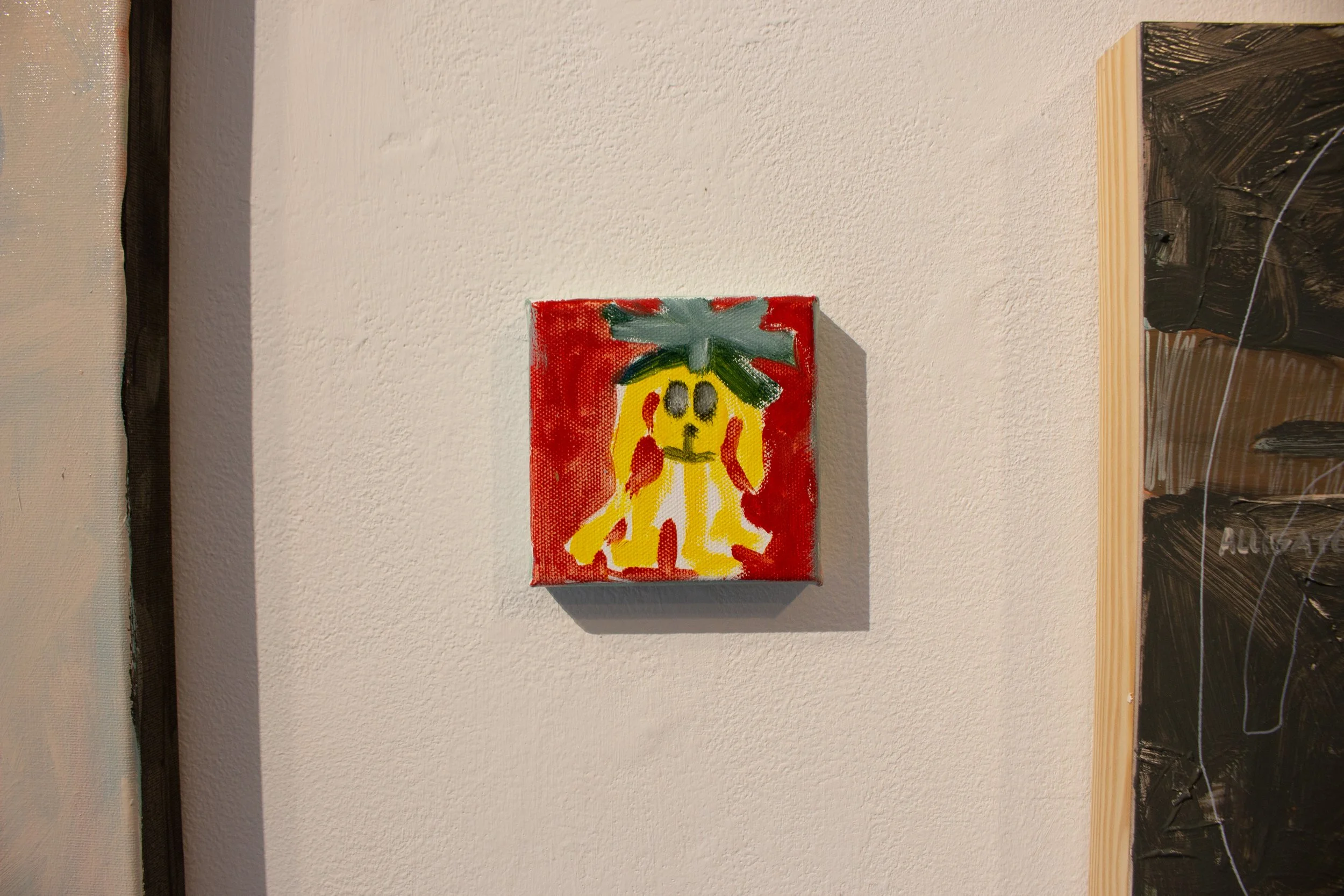
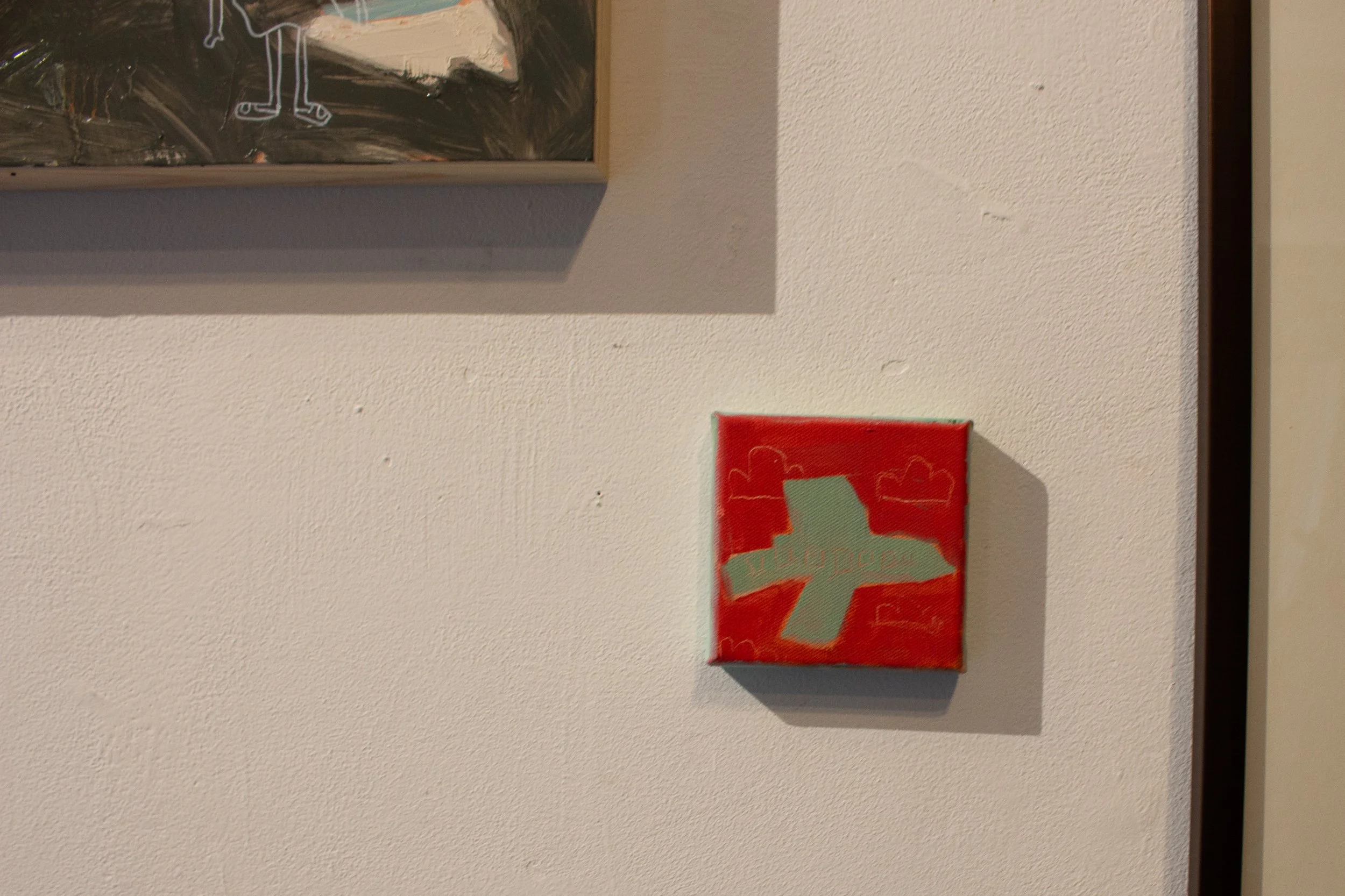
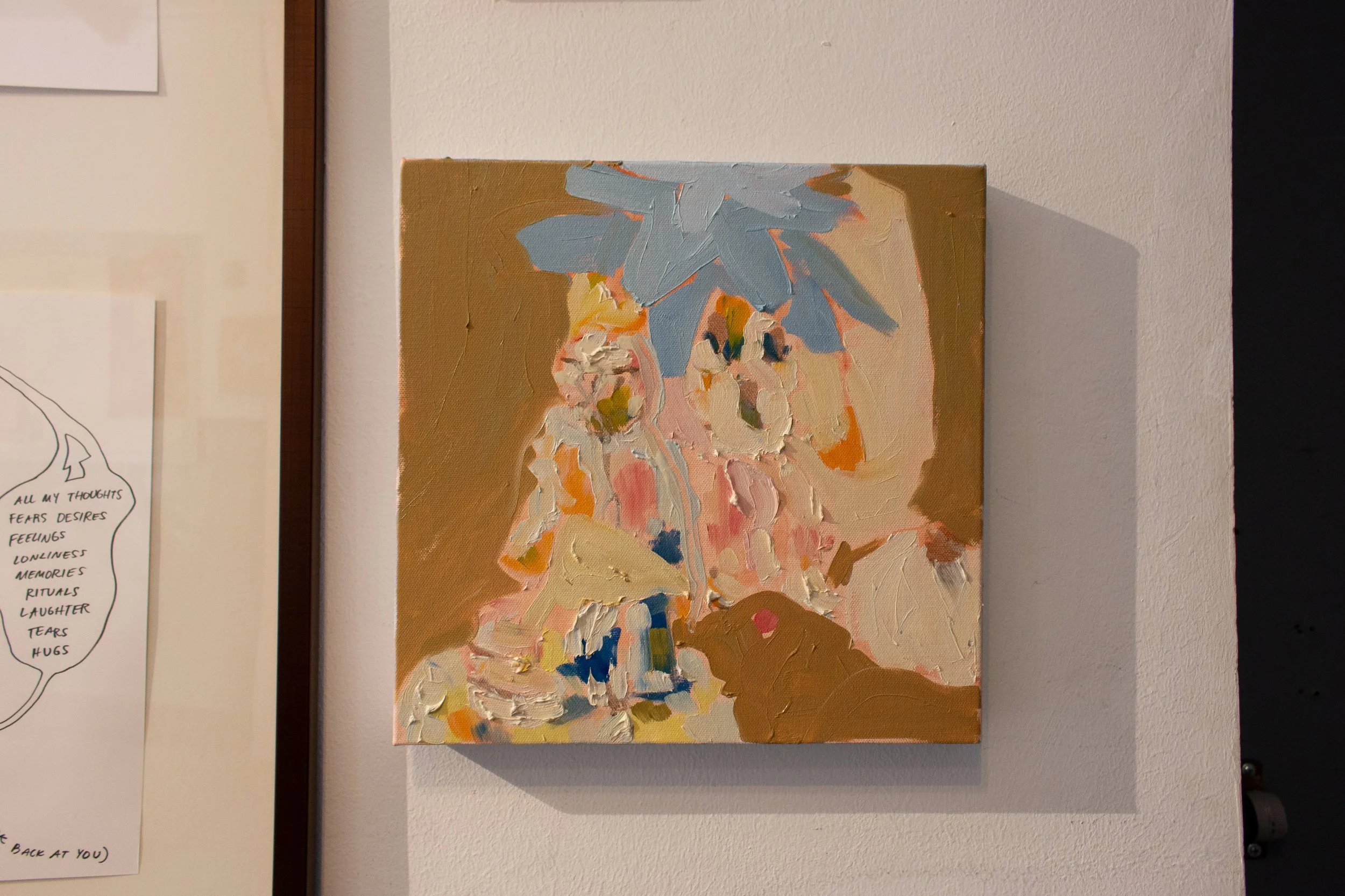
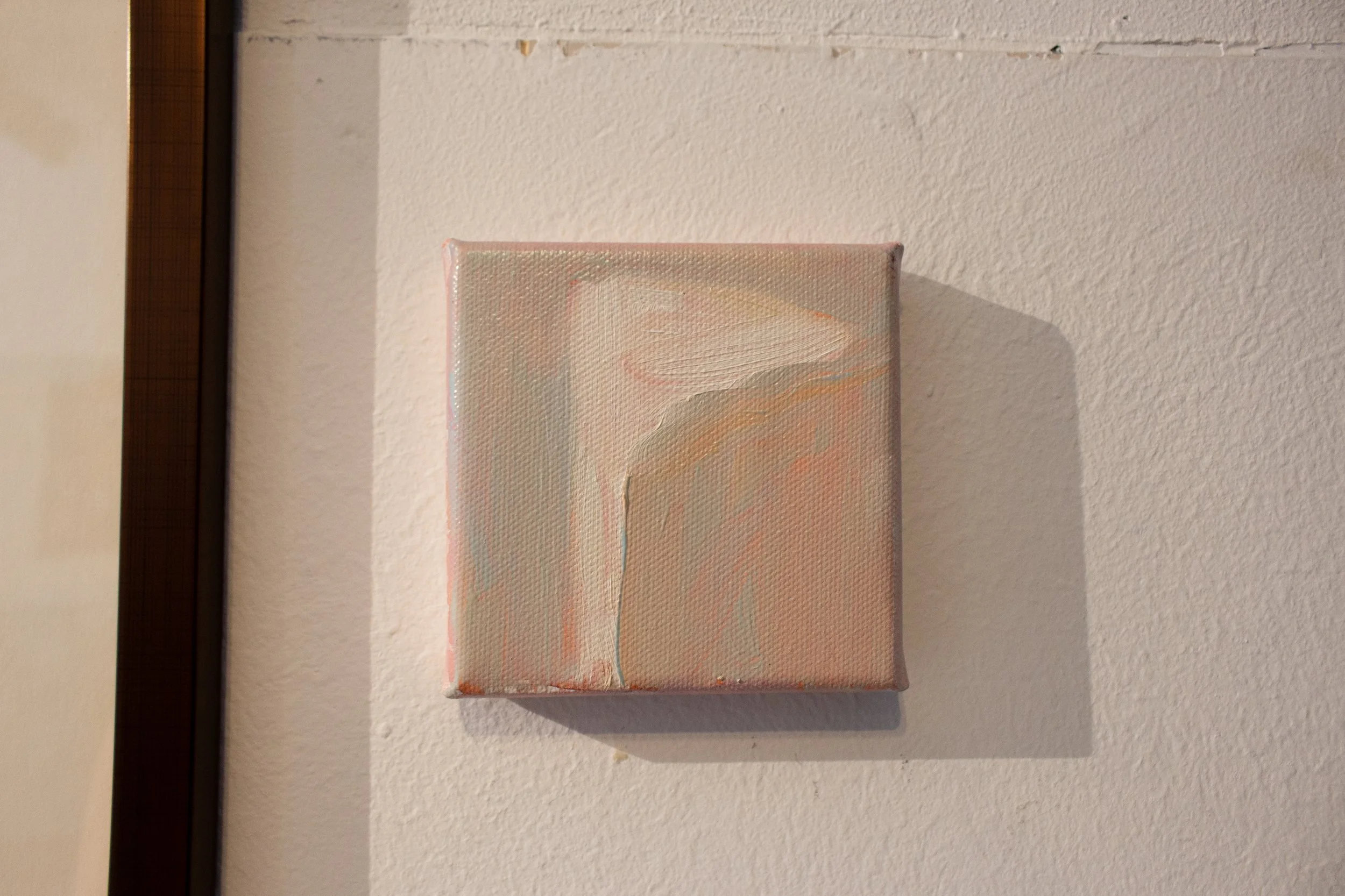
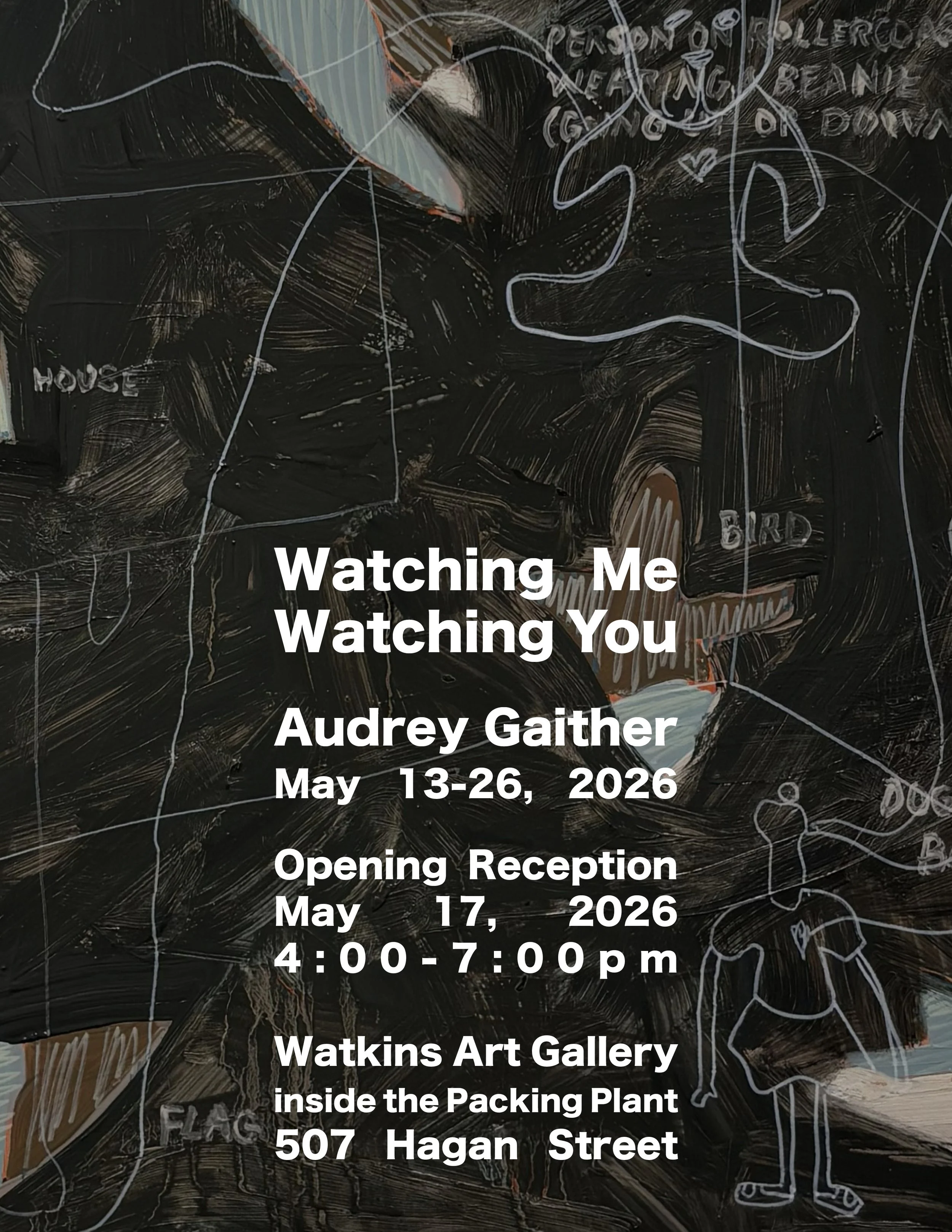
The works in Watching Me Watching You echo these attempts to chart relationships between the living and the absent. Teddy bears act as surrogate bodies; cardinals become planes taking people away. Peace lilies stand tall as thin veils or panes of glass. Objects I recreate from memory or find in shapes and patterns become supporting characters of their own.
I reflect on stories that, like Lin’s narrative, serve as maps for loss: stories of perennial rebirth, migration and return, and life after death. As with memorials, the metaphors attempt to comfort or explain with narrative and meaning, but they provide no certain or dependable reality other than acknowledging the absence. They often act more as a breadcrumb trail than a path unfolding ahead, reflecting where one has been rather than where they are going. Such is the reality of futile yet earnest attempts at mapping a place you cannot yet visit: there is no presence without absence, and the inverse is just as true.